
Before the first cable is pulled or the switchboard is opened, the success of an electrical job is often decided at the kitchen table or in the site office, pen in hand, numbers taking shape. One missed line item, one rushed calculation, and a profitable job can quietly turn into a costly lesson. Price too low, and the margin disappears. Price too high, and the phone never rings back. A free electrical estimate template provides contractors with a clearer starting point, helping turn rough assumptions into accurate, professional quotes that protect margins and set expectations from the outset.
In this guide, you’ll get:
- A free electrical estimate template you can use straight away
- Clear instructions on how to customise it for your business
- A step-by-step breakdown of how to estimate electrical work accurately
- Advice on when free templates are enough, and when software makes more sense
If you’re quoting residential or commercial electrical work and want to save time while improving accuracy, you’re in the right place.
What Is an Electrical Estimate Template?
An electrical estimate template is a pre-built document that helps electricians calculate and present job costs clearly and consistently. Instead of starting from scratch for every quote, you use a structured format that includes all the essentials.
Most electrical estimate templates include:
- Business details and logo
- Client information
- Itemised labour and materials
- Subtotals, tax, and final pricing
- Terms, conditions, and validity period
Templates are typically available as Excel spreadsheets, Word documents, Google Sheets, or PDFs, making them easy to edit and reuse across different jobs.
Why Electrical Estimate Templates Are Essential for Contractors
Electrical contractors juggle tight schedules, fluctuating material costs, and complex compliance requirements. A solid estimate template helps reduce friction at one of the most critical stages of the job: pricing.
Here’s why templates matter:
They save time
Instead of rebuilding quotes from scratch, you plug numbers into a familiar structure and send professional estimates faster.
They reduce pricing errors
Standardised line items and formulas help avoid missed materials, underquoted labour, or forgotten overheads.
They improve professionalism
Clear, branded estimates build trust with customers and increase the likelihood of approval.
They support consistency as you grow
Whether you’re a solo electrician or managing multiple crews, templates help keep pricing aligned across jobs.
Free Electrical Estimate Template (Download Here)
Rather than handing you a blank spreadsheet and hoping for the best, this free electrical estimate template is structured to reflect how real electrical jobs are quoted, from first walkthrough to final approval.
Below, we’ll walk through each section of the template and explain why it exists and how it protects your margins.
1. Item and service description
This is where clarity starts. Every task is clearly defined, so customers understand exactly what they’re paying for, and you avoid vague scopes that lead to disputes later.
A well-written description also makes it easier to justify pricing if questions come back.
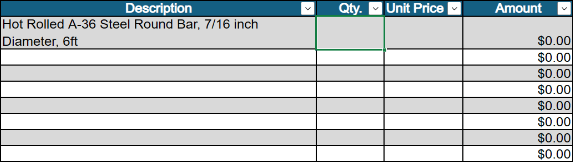
Item/Service Description
2. Quantity (Qty)
Whether it’s fittings, fixtures, or hours, quantity is where small errors add up fast. This column forces accuracy and consistency, especially on multi-line jobs where missed items quietly erode profit.
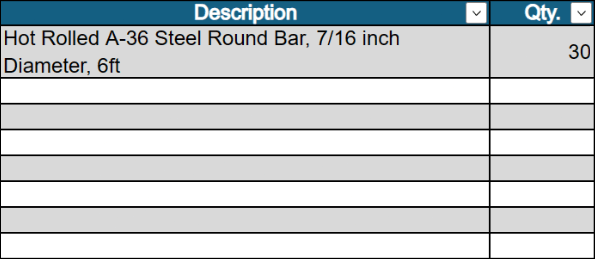
Qty. a.k.a Quantity
3. Unit price
By separating unit price from totals, you can quickly adjust rates without rebuilding the entire estimate, ideal when material costs fluctuate or labour rates change.
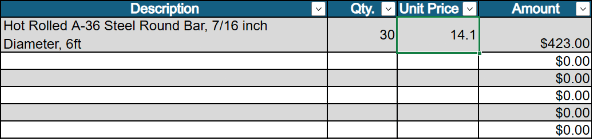
Unit Price
4. Subtotals, tax, and total
This section brings everything together in a way that looks professional and transparent. Customers see a clear breakdown, and you can be confident the final number reflects all costs, not just the obvious ones.
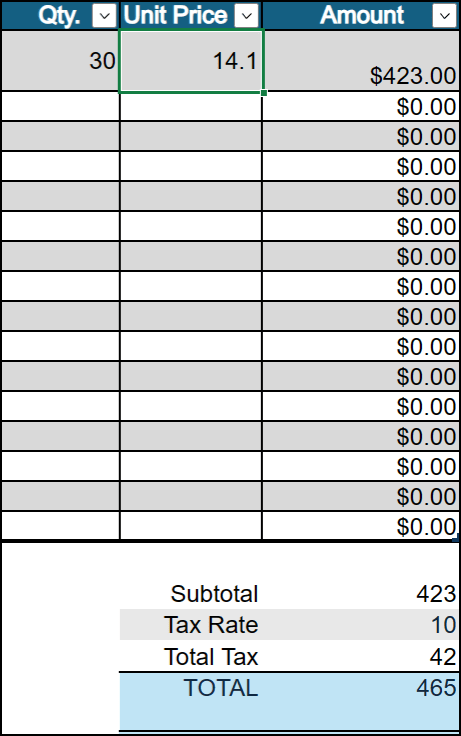
Amount, Subtotal, Taxes, Total
This template is:
- Simple to use in Excel or Google Sheets
- Fully editable and reusable
- Structured for both residential and light commercial work
What’s included in the template:
- Client and job details
- Labour hours and rates
- Materials and parts
- Markup, tax, and final totals
- Notes and terms for scope clarity
If you’re currently quoting in spreadsheets or experimenting with templates from other platforms, this template gives you a practical middle ground. It’s fully editable in Excel or Google Sheets, reusable across jobs, and structured in a way that mirrors how more advanced estimating tools work, without locking you into software before you’re ready.
How to Customise the Template for Your Business
A template is only useful if it reflects how you price work. Follow these steps to tailor it properly.
1. Add Your Branding
Insert your business name, logo, contact details, and licence number. This instantly makes the estimate look professional and trustworthy.
2. Adjust Labour Rates
Set your standard hourly rates for different roles (apprentice, tradesperson, supervisor). If you do after-hours or emergency work, include separate rates.
3. Enter Typical Materials
Pre-fill commonly used items such as cabling, fittings, switchboards, and fixtures. This speeds up quoting and reduces omissions.
4. Set Markup and Taxes
Apply your standard markup percentage for materials and labour. Add GST or VAT based on your local requirements so totals calculate automatically.
5. Save Reusable Versions
Not all electrical work is priced the same, and forcing every job into a single template increases the risk of missed costs or unnecessary edits.
Create separate saved versions of the template for:
- Residential jobs (common fixtures, standard labour rates, typical call-out fees)
- Commercial projects (higher compliance requirements, longer labour blocks, specialised materials)
- Service and maintenance work (shorter jobs, minimum charges, recurring tasks)
By tailoring each version upfront, you reduce repetitive setup work, minimise estimating errors, and ensure each quote starts with the right assumptions already built in. Over time, this approach speeds up quoting, improves consistency across jobs, and helps protect margins as your workload grows.
How to Estimate Electrical Work Accurately
A template gives you structure, but accuracy comes from the decisions you make inside it. Reliable estimates are built by slowing down at the right moments and pressure-testing your assumptions before the numbers are locked in. Here’s how to approach electrical estimating with confidence, and avoid the common traps that cost time and margin.
Assess Job Scope and Site Conditions
Before you touch labour rates or materials, get clear on what the job involves. Review plans, site access, existing wiring, switchboards, and any constraints that could affect productivity.
Renovations, older buildings, and occupied sites often take longer than expected due to restricted access, compliance upgrades, or unknown conditions behind walls. Accounting for these variables upfront helps prevent scope creep and underquoted labour later.
Calculate Labour Time and Hourly Rates
Labour is usually the largest cost on an electrical job, and the easiest to underestimate. Break the work into individual tasks and assign realistic time allowances to each one.
Remember to include:
- Setup and site preparation
- Testing and commissioning
- Cleanup and documentation
Quoting only for installation time creates a gap between estimated and actual hours, which directly eats into profit.
List All Materials and Parts
Every estimate should account for both major components and smaller consumables. While individual items like connectors, fixings, and cabling offcuts seem minor, they add up quickly across a job.
A detailed materials list also makes it easier to explain pricing to customers and adjust quotes if material costs change before work begins.
Add Overhead and Profit Margins
An accurate estimate must do more than cover wages and materials. Vehicle costs, tools, insurance, licensing, admin time, and software all need to be absorbed somewhere in your pricing.
If overheads aren’t built into the estimate, they’re quietly paid for out of profit, or worse, out of cash flow. Adding margin intentionally ensures every job contributes to the health of the business, not just keeping the lights on.
Factor in Permits, Compliance, and Contingencies
Electrical work often involves permits, inspections, and compliance documentation that take time and money to manage. These costs are easy to overlook but difficult to absorb once the job is underway.
Adding a contingency buffer also protects you from unforeseen issues like damaged existing wiring, delayed materials, or changes in site conditions.
Ready to tighten up your estimating? This in-depth guide breaks down how Simpro users estimate electrical jobs accurately, control labour and material costs, and protect profit from quote to completion.
Prefer to see the process in action? This short walkthrough breaks down how to improve your estimating workflow step by step:
Win More Jobs With Clear, Accurate Estimates
Clear estimates don’t just protect your margins; they help you win work. Customers are far more likely to approve quotes that are easy to understand, transparent, and professionally presented.
Templates vs Estimating Software: Which Is Right for You?
Free templates are best if you:
- Run a small business or work solo
- Handle low-volume or one-off jobs
- Want a no-cost solution
Estimating software is better if you:
- Quote frequently or manage multiple crews
- Need consistent pricing across teams
- Want estimates to flow into scheduling, invoicing, and reporting
With tools like Simpro’s estimating software, contractors can automate pricing, reuse cost libraries, and turn approved estimates into jobs and invoices, all in one system:
Take the Pain Out of Electrical Estimating
If you’re ready to create faster, more accurate quotes, start by downloading the free electrical estimate template, tailoring it to your rates and materials, and following the step-by-step estimating process outlined in this guide. You’ll spend less time rebuilding quotes from scratch, and more time confident that each job is priced to perform.
When your workload increases and spreadsheets start to feel limiting, you’ll have a clear signal that it’s time to upgrade to a smarter estimating solution.
Download your free electrical estimate template and start quoting with confidence.


 Back to top