“
When prices were jumping every week, Simpro gave us something rare in the trades — firm quotes that our customers could trust.
Across the trades — HVAC, electrical, plumbing, low-voltage and security — material costs are no longer a static line item. Whether it’s tariffs, sudden supplier increases, or even pandemic-level disruptions, pricing volatility piles onto already rising labor costs and talent shortages. In fact, the 2025 Trades Outlook Report shows that wages in the trades are likely to stay permanently high, while 41% of the U.S. workforce heads toward retirement.
And this isn’t political – it’s business reality. While contractors and trade businesses can’t control tariffs or wages, they can control how confidently they quote and forecast. The good news: businesses using Simpro have the tools to maintain accurate, future-facing quotes and preserve peace of mind.
1. How Tariffs Ripple Through Field Service Costs
Tariffs don’t just inflate raw metals on a commodities chart, they filter directly into the everyday parts and equipment field service companies depend on. Big box stores, often used by homeowners, but also familiar stomping grounds for field service and trades professionals, say pricing increases are planned as a response to tariffs. A few of the areas impacted:
- HVAC: Tariffs on copper and aluminum ripple into the cost of coils, compressors, refrigerant tubing, and ducting. The U.S. relies on imported copper for nearly 45% of its consumption. Even national-brand equipment distributors pass along higher costs when base metals rise.
- Electrical/Data: Tariffs on semi-finished copper products like wire, rods, and cables quickly inflate the price of wiring, conduit, and transformers – core components in nearly every electrical job.
- Plumbing: Copper and brass tariffs show up in fittings, valves, and pipes, all of which directly impact residential and commercial projects.
- Low Voltage/Security: Imported electronic components – from access control boards and alarm panels to cameras and fire systems – often carry higher costs when tariffs hit global electronics or metals.
- Refrigeration & Mechanical: Chillers, cold storage units, and other refrigeration systems are impacted by tariffs on copper and steel.
- Construction: Steel beams, flashing, and other structural components reflect higher costs when tariffs rise, especially considering the construction industry utilizes one-third of all U.S. steel shipments - more than any other industry.
- Fleet Operations: Tariffs on imported vehicles and parts can drive up the cost of service vans, trucks, and maintenance supplies.
WHY THIS MATTERS: The bottom line: tariffs are already impacting the trades and service industry. Roughly a quarter of all steel used in the U.S. is imported, for example. That’s not even taking other materials and resources into consideration.
For business owners, finance leaders (CFOs, controllers), and estimators/service managers, these knock-on effects are a nightmare. A quote that was profitable last week suddenly eats into margins this week. Or worse, relationships with your customers take a hit when you have to call them back to revise the price.
Customers expect transparency, speed, and professionalism, and re-quoting isn’t just an added friction point — it corrodes trust.
Who’s Impacted:
- Owners/General Managers: Higher component costs mean tighter margins on every project.
- CFOs/Finance Managers: Economic fluctuations create uncertainty in forecasting and job costing.
- Service Managers/Estimators: Price jumps turn yesterday’s quote into tomorrow’s problem.
2. The Cost of Quote Inaccuracy
Static catalogs and spreadsheets turn tariffs into business risks. Big headaches are caused when issuing and receiving purchase orders and scrambling to manually keep up with shifting pricing:
- Owners and general managers risk lost profit if quotes are outdated.
- Finance managers can’t forecast accurately when material costs shift after bids are locked.
- Service/ops managers bear the burden of re-quoting mid-job, which damages customer trust and wastes time.
In trades and field service, firm pricing is rare. Most companies either eat the cost or re-quote, both of which hurt the business. Simpro customers, however, can stand out by offering consistent quotes that protect margins and relationships.
Who’s Impacted:
- Owners: Outdated quotes = lost profit.
- Service/Ops Managers: Having to re-quote jobs damages trust with customers.
3. Up-to-Date Pricing Advantage
Simpro protects trade businesses from quoting surprises by keeping pricing current and future-facing. Inside Simpro, the cost of materials is based on inventory costs, which updates with each purchase order received or item purchased.
“
Simpro gave us the real-time job costing we wanted and was invaluable during volatile periods, especially during COVID and the following years' pricing escalations. It helped us move fast, quote accurately, and make decisions with confidence.
- Up-to-date material costs: The automatic catalogue invoice import* in Simpro checks for new records from suppliers every seven days, and updates Simpro Premium if new records are found (*catalog syncing feature currently only available in AU, NZ, and the UK). Catalogs refresh daily, so copper spikes or electronic import hikes don’t catch you off guard. (Supply houses typically notify customers of global pricing increases in advance)
- Supplier-driven notifications: Pricing can be adjusted proactively when increases are announced, giving businesses the chance to prepare. Automatic syncing is available directly in Simpro, reducing the need to wait for supplier notifications.
- Accurate quoting weeks or months ahead: Contractors can bid with confidence, knowing tariffs and other cost factors are reflected in their estimates and not buried until it’s too late.
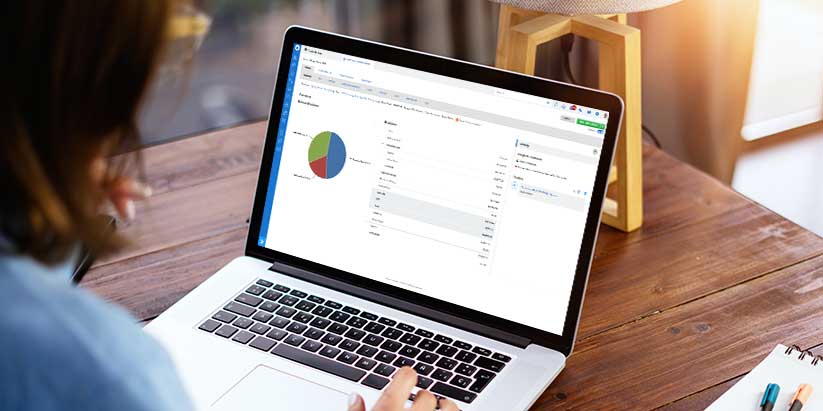
This visibility also equips business owners and CFOs to know when escalation clauses are necessary — before margins disappear.
Proof point: Even amidst supply chain constraints and a surge in material costs post-COVID, Foster Plumbing held firm on quotes while its competitors scrambled to re-price jobs midstream. As former CEO Amy Carnrick put it, the difference was “going home worried versus going home at peace.”
Who’s Impacted:
- Owners: Protect profit margins without surprise cost overruns.
- CFOs: Gain confidence in financial forecasting with accurate data flowing through to every quote.
- Field Technicians/Service Managers: Send quotes you won’t have to revisit later — saving time and customer frustration.
Want the full scoop on how Foster Plumbing improved their quoting and estimating process – complete with accurate labor and materials requirements – to win trust? (Including scaling to $10 million in just six years!) Read Amy’s firsthand experience here.
4. Global Trends, Local Forecasts
Because Simpro operates across markets, our customers benefit from our global perspective, including software and technology implementation support, single platform data centralization, and additional advice and guidance surrounding industry best practices within your respective field.
Tariffs and supply chain dynamics might be global, but their impact is felt locally, in the jobs your crews are working this week.
The 2025 Trades Outlook Report confirmed that 98% of field service businesses see data centralization as a priority, yet one-third lack a clear strategy. Simpro helps fill that gap by making pricing updates part of a unified workflow, not another siloed tool.
5. Enterprise Considerations
While small and medium-sized contractors feel the most immediate pain from tariff-driven cost swings, larger enterprises and multi-location contractors face an added layer of complexity:
- Central procurement teams need assurance that quotes across multiple divisions or branches remain consistent and profitable.
- Finance directors and CFOs require consolidated visibility into how tariffs are influencing costs across dozens of projects at once.
- Operations executives managing regional or national service footprints must ensure that re-quotes or margin erosion in one market don’t cascade into systemic losses.
For these enterprises, Simpro provides a unified platform to manage quoting accuracy, catalog updates, and cost forecasting across multiple business entities. The ability to standardize pricing visibility across the organization strengthens negotiations with suppliers, maintains customer confidence, and improves profitability at scale.
Who’s Impacted:
- Enterprise Executives: Consistency across branches builds customer confidence at scale.
- Procurement Teams: Accurate catalogs strengthen supplier negotiations.
- CFOs/Finance Directors: Consolidated visibility across dozens of projects eliminates blind spots.
6. Practical Takeaways for Field Service Leaders
Here’s how trades and field service leaders can stay ahead:
- Tap into up-to-date pricing and updates: Ensure your catalog reflects current costs, not a previous month’s or quarter.
- Build smarter contracts: Escalation clauses can soften the impact of sudden spikes when necessary.
- Forecast with confidence: Find and use tools that provide forward-looking visibility into copper, aluminum, and electronics, not just raw material indexes.
- Be transparent with customers: Quotes rooted in realistic pricing reduce re-quotes and protect trust.
Whether it's tariffs, shortages, or other impacts on the supply chain and global economy, the need for accuracy in quoting, margin protection, and customer trust isn’t going away. With up-to-date pricing built into their workflow, Simpro users aren’t just coping, they’re operating with more confidence, stronger forecasting, and healthier customer relationships.
For owners, CFOs, field technicians, service managers, and enterprise executives, that means fewer late-night worries and more time focused on growth.
Want to see how up-to-date pricing can give you clarity and eliminate quoting uncertainty? Explore our resources — and grab your free copy of the 2025 Trades Outlook Report here for a deeper look at the forces shaping the trades.
- Access your complimentary download of the 2025 Trades Outlook Report to see how contractors are adapting to disruption across labor, costs, and technology.
2025 Trades
Outlook Report


 Back to top