A high-risk trades business modernizes its operations with a phased platform rollout, transforming culture, clarity, and growth.
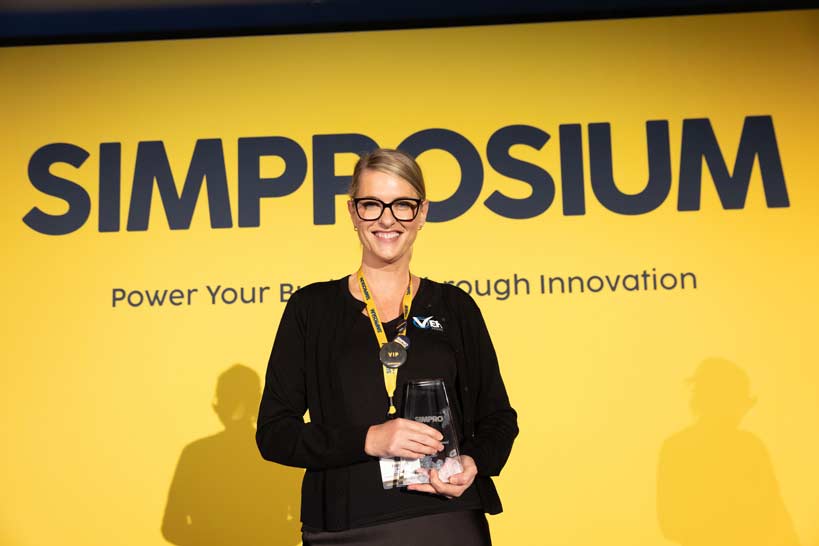
When Frances Paku bought into Vertac Wellington in late 2024, the company wasn’t in need of reinvention — it simply needed infrastructure that matched its frontline expertise.
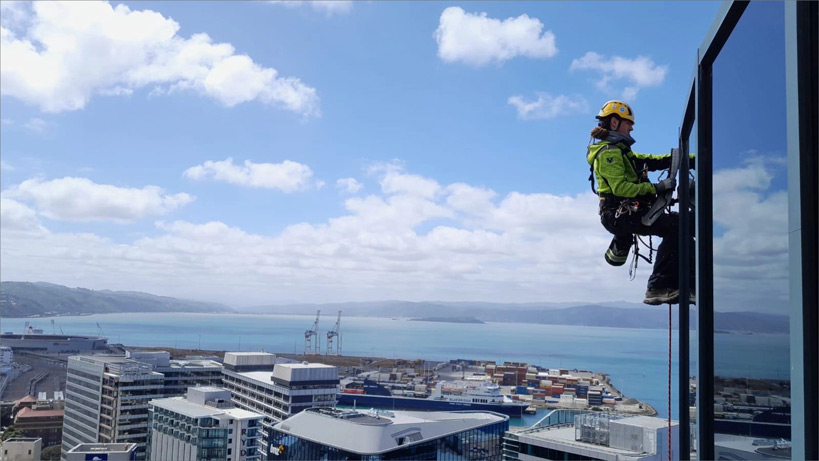
Vertac Wellington has built its reputation on safely maintaining and repairing exterior facades, tackling high-risk, high-skill work to safeguard commercial buildings and associated investment. Many technicians brought deep international expertise, trusted for their technical mastery and safety culture.
Behind the scenes, however, the business operated on slow, paper-based practices.
“We inherited antiquated systems, lots of paper, and lots of information in people’s heads,” Frances said. “We couldn’t scale that.”
As new leaders, they knew Vertac was ready for growth and needed a modern operational foundation to support it.
From Strong Foundations to Smarter Operations
Customers trusted Vertac’s workmanship and safety record. Technicians took pride in their craft, and the company had a strong reputation. What the team needed was a system that supported that level of frontline excellence.
“I have a huge amount of respect for our technicians,” Frances shared. “My role is making sure the business supports them properly.”
The goals were clear: preserve what Vertac did well, strengthen the systems behind it, and build for long-term growth.
The Hidden Cost of Broken Systems
One of the first changes was replacing the incumbent job management tool. As is often the case, it had only been partially implemented and was therefore only functioning as little more than a digital filing cabinet, with no end-to-end usage, user management or clarity around process.
There was no documented workflow — only individuals patching gaps based on memory.
“Very little was documented, and yet everything depended on someone remembering how it was done,” Frances noted.
Email Was the Glue (And the Glue Was Failing)
Without traceable workflows, nearly every process relied on long email threads and buried attachments. Critical information lived in inboxes. If someone was away, communication stalled.
The Month-End Nightmare
Project and operations managers emailed invoices one by one to Frances, who then:
- Opened each email
- Looked up the job in the old software system
- Recreated the invoice in Xero
- Saved and uploaded PDFs
- Emailed others to attach them to the job
The process was incredibly slow, error-prone, and dependent on Frances manually working through a convoluted checklist for each and every invoice request.
Technicians Logging Time Into “Mock Jobs”
Job creation required emailing details to a part-time employee. While waiting, technicians logged hours into placeholder jobs that later needed manual reassignment.
Defining the Customer Was a Puzzle
Data structures were not shared across systems, meaning the process of differentiating the client and the billing entity per site was an added frustration at the tail-end of the job delivery process.
Inventory Processes Didn’t Exist
Tools moved between sites without tracking. Items were misplaced, hard to locate, and difficult to find to test or replace because no system captured their movement. The process of locating items for regular compliance checks became burdensome, and a big distraction to the team on the ropes.
Handover Notes Took Half a Day
Project Managers going on leave spent hours writing handover notes because the job lived only in their head — no central history, materials, or communication trail existed.
“It was impossible to see where the chain had broken because no one understood the whole chain,” shared Frances.
Zooming Out: Vertac’s Big-Picture Vision
Frances quickly identified the core issues holding Vertac back. Processes were fragmented, and no one had a shared understanding of the “right way” to work. Workflows weren’t documented, data was messy, and staff were overwhelmed without the structure they needed. At the same time, the business still needed a platform that could keep up with daily operations.
“My satisfaction comes from modernizing the business so our staff are happier and our clients get better service.”

The Phased Rollout That Changed Everything
Frances knew a complete overhaul would drown the team, and bringing messy data into a new system would simply recreate old problems. Drawing on her public-sector IT background, she crafted a phased rollout that introduced change gradually and intentionally.
“People were frustrated with the old way, so they were prepared to come through the change for something better. We are also lucky that our staff demographic grew up ‘digitally native’ so were happy to be thrown in the deep end” she said.
Designing the Rollout: Soft Launch, Clean Data, Minimum Viable Product
Before anyone touched Simpro, Frances focused on:
- Data cleansing: cleaning customer, site, and job data and defining data structures
- Concepts before clicks: learning how modules connected using Simpro Learning Toolbox
She then launched a minimum viable product, turning on only the key functionality previously used in the old system.
Phase 1 goals:
- Replicate only the features currently used in the job management system to enable a smooth cut over, especially with staff timesheeting
- Avoid double payment for two software systems (system coexistence)
- Give the team a manageable entry point
Four Months of Rolling Functionality
Frances layered functionality gradually, activating each module only when data and people were ready. She published the plan so everyone knew what to expect.
The playbook:
- Phase 1: MVP and cutover, replicating core processes
- Phase 2: Jobs and invoicing fully in Simpro
- Phase 3: Inventory and purchasing
- Phase 4: Refinements and advanced features
Training Adapted for Vertac’s Reality
Frances created tailored training by recording short, customized videos using Vertac’s own examples and sharing them via WhatsApp. Learning became quick, familiar, and accessible.
“I’d learn how to do something and then I’d do a two-minute video with our data and our language and our examples that I’d then share on WhatsApp with the team… so they just had to say, ‘Ah, I recognise that job. I recognise that client. I click here, click here, click here, done.’”
The bar to learning dropped dramatically:
- Two-minute, replayable demos.
- Real Vertac jobs and clients on screen.
- A familiar channel (WhatsApp) instead of a formal learning management system
The message was clear: this system is for you, built for the way you work, on your terms.
Breaking the Silos
The old structure had siloed job descriptions. To benefit from Simpro, Frances redesigned roles around workflows, encouraged staff to fix issues directly in the system, and positioned Simpro as the operational backbone.
Some staff worried that new workflows meant a drastic change in their roles and processes they had grown accustomed to. But over time, empowerment won out, and it was clear to everyone: the people closest to the work could now act without waiting on a chain of emails and admin.
They were left with a system that supported the way they worked, without replacing them: a win for everyone.
What Full Visibility Revealed
As clean data and new workflows took hold, the business gained a level of visibility it was hungry for. Guesswork started to disappear. Bottlenecks were no longer hidden. Decisions could be made based on fact rather than assumption.
“Simpro turned the lights on,” Frances said. “Suddenly things that were invisible were now a few clicks away- enabling us to find the issue, and usually also the reason it occured”
For the first time, anyone could follow a job through its entire lifecycle without digging through inboxes or relying on memory. Directors could open a job or cost center and immediately understand what had happened, which costs were missing, or where a delay occurred. Conversations shifted from opinion to clarity, strengthening transparency to inform budgets, planning, and performance.
Accountability and Confidence
With audit trails, timestamps, and notes now present on every job, accountability emerged naturally.. Ownership moved closer to the people actually doing the work, eliminating the need for constant in-person follow ups..
Project Managers no longer spent hours writing handover notes before going on leave because all relevant information lived in Simpro.
Cleaner Data, Better Decisions, Stronger Business
As adoption deepened, the benefits compounded. Vertac gained reliable revenue visibility between Wellington and Auckland, clearer profitability indicators, faster job turnaround, and consistent job histories the team could reference instantly.
The increased clarity helped technicians and project managers understand how their actions influenced job profitability and business performance. They began suggesting enhancements and improvements — not because they were asked to, but because visibility made opportunities easy to spot.
“Project managers can set up a job in two minutes. Invoicing goes straight out of Simpro,” said Frances. “Our speed to job and speed to client is so much quicker.”
Camaraderie Behind the Climb
Alongside this company-wide system change and roll-out, other initiatives also supported this shift to a more collaborative and positive mindset. The team’s monthly Bucket of Positivity — a lighthearted ritual where colleagues nominate each other for going above and beyond — has become a cherished moment of recognition that reinforces connection and gratitude. Smooth systems created space for people to enjoy their work, celebrate their peers, and feel proud of the business they’re building together.

A Business Built on Clarity
Today, Vertac is growing in confidence knowing its a business that understands itself and its opportunities. Revenue visibility is clean, profitability insights are reliable, forecasting is stronger, and day-to-day workflows are predictable. Month-end runs much more smoothly, jobs move faster, and decisions land with clarity because everyone is working from a single, shared source of truth.
What’s Next
Winning the Best Newcomer award is only the beginning. With a full year of clean data behind them, Frances is preparing to tap into deeper analysis. She plans to expand BI reporting and other new Simpro functionality to uncover profitability trends, refine workforce planning, and build forecasting models grounded in real history. Long-term scheduling through Simpro— something Frances thinks will be “game-changing” — will allow the team to plan six months ahead in the core system with acute visibility, while pre-builds and sustainable Auckland expansion are on the horizon as the next major milestones.
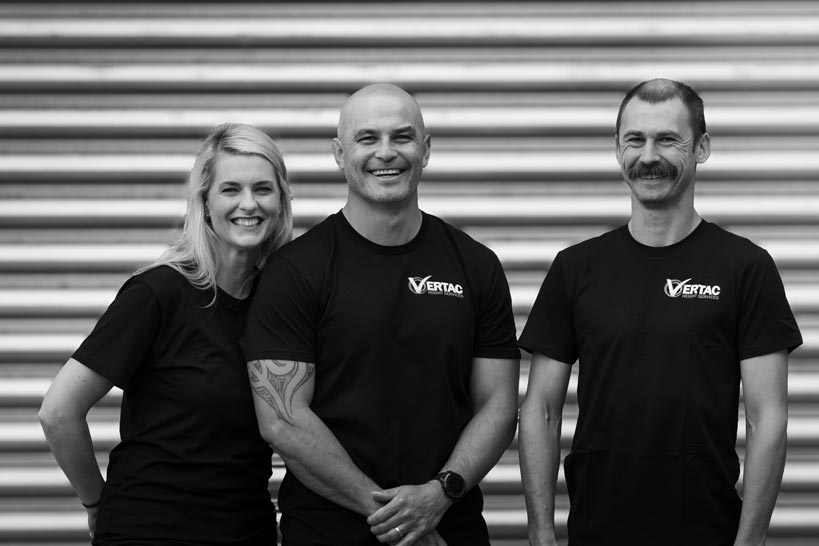
“With 12 months of data, we’ll have so much more confidence when making strategic decisions,” she said.
Vertac’s growth will continue to be deliberate, thoughtful, and aligned with the wellbeing of its people. Their transformation wasn’t about digitizing tasks — it was about building a business worthy of those who keep it running.
“I’m proud that the work we’ve done benefits around 50 staff members. We’re investing in systems and ways of working that should evolve as the company grows, leaving the team to celebrate the journey and successes, without stressing if the back-end systems can handle it.”
In under a year, Vertac repositioned itself to what many trades businesses aspire to: a company where exceptional frontline work is matched by an operational engine built for the way their teams actually work, and designed for the future its building to.


 Back to top