
Chasing past due invoice letters rarely starts as a problem, and that is what makes it so frustrating. You send the invoice, the job is done, and everything feels settled, until the due date passes. A few more days go by. Now you are staring at your inbox, wondering how to follow up on past due invoices without sounding pushy, awkward, or damaging a relationship you worked hard to build.
That uncomfortable moment is exactly why past due invoice letters (also called payment reminder letters) exist.
Past due invoice letters are short, professional messages sent to a customer after a payment deadline has passed. They exist to remind customers that invoices are outstanding and to set clear expectations for what happens next, all without creating tension or conflict.
The truth is, unpaid invoices are rarely personal. Clients forget, emails get buried, and accounting processes move slowly. A well-written past-due invoice reminder removes the awkwardness by shifting the conversation from confrontation to clarity.
This guide will show you how to write past due invoice letters that feel firm but fair and keep your customer relationships intact.
When Should You Send an Unpaid Invoice Letter?
Timing is critical when following up on unpaid invoices because it directly affects both cash flow and customer relationships. Contacting a client too soon can come across as pushy, potentially straining the relationship. Waiting too long, however, increases the risk that the invoice will be overlooked, forgotten, or deprioritized among other financial obligations. A strategic reminder schedule ensures you maintain professionalism while keeping payments on track.
A simple, effective reminder schedule looks like this:
Recommended reminder timeline
- Day 7: Friendly reminder
- Day 14–30: Firm reminder
- Day 45+: Final notice
This approach balances professionalism with persistence. Early messages assume good intent, while later letters clearly communicate expectations and next steps.
If you apply late fees or have specific payment terms, reference them clearly and consistently so customers know what to expect.
How to Write a Past Due Invoice Letter
A well-crafted past due invoice letter makes it easy for your customer to understand the situation and take action. It should clearly state the amount owed, explain why the payment is overdue, and provide straightforward instructions for resolving it quickly, reducing confusion and increasing the likelihood of prompt payment.
Key Elements to Include
To ensure your past due invoice letter is clear and effective, include these essential details:
- Customer name and contact information – so it’s clear who the invoice is for.
- Invoice number and original due date – for easy reference and tracking.
- Outstanding balance – the exact amount that’s overdue.
- Number of days overdue – to show urgency and context.
- Clear payment instructions – include a link, bank details, or portal access to make payment easy.
- Contact details for questions – so the customer can quickly resolve any issues.
- Consequences for non-payment – if appropriate, gently state any late fees or next steps.
Leaving any of these out can delay payment and lead to unnecessary back-and-forth. Including all of them keeps your communication professional, clear, and actionable.
Best Practices for Managing Overdue Invoices
Managing past due invoices is about more than just getting paid, it’s about protecting cash flow while preserving client relationships. A clear, consistent process helps you stay professional, avoid awkward follow-ups, and ensure no overdue invoice is forgotten.
Follow a Consistent Reminder Schedule
One of the most common reasons past due invoices remain unpaid is simple oversight. A structured reminder schedule ensures customers are contacted at the right time, every time, without relying on memory or manual follow-ups.
For example, your reminder timeline might look like this:
- Friendly reminder, a few days before the due date
- First past due invoice letter 1–3 days after the due date
- Firmer reminder at 7–10 days overdue
- Final notice after 30 days overdue
Consistency removes emotion from the process and sets clear expectations with your customers.
Tone and Style Tips
How you communicate matters as an invoice ages. Your tone should remain professional, but adjust based on timing and your relationship with the customer:
- Early reminders: Use a soft, helpful tone to gently nudge the customer.
- Long-overdue invoices: Shift to a firmer, more direct tone to convey urgency without being confrontational.
- Relationship-based adjustments: Tailor your language to the customer, friendly for long-term partners, formal for newer or less familiar clients.
Remember, the goal is clarity and prompt payment, not confrontation.
Common Mistakes to Avoid
To keep your invoice letters effective, steer clear of these pitfalls:
- Using accusatory or emotional language.
- Forgetting to include clear payment instructions.
- Sending only one reminder and failing to follow up.
- Inconsistent messaging across customers.
Consistency is key - clear, professional, and timely reminders are what actually drive results.
Automate Letter Writing with Simpro
Manual follow-ups take time and are easy to forget. With Simpro, you can automate overdue invoice letters while still keeping messaging professional and on-brand.
Using Simpro’s Overdue Letters setup, you can:
- Create templates for different overdue stages (14-day, 30-day, final notice)
- Insert dynamic fields like [Customer Name], [Overdue Amount], and [Invoice Number]
- Standardize layouts, subject lines, and attachments (such as T\&Cs PDFs)
- Configure everything under System > Setup > Forms Setup > Overdue Letters
By automating your letters with Simpro, every customer gets the right message at the right time, saving you effort and improving payment follow-up.
Past Due Invoice Letter Templates & Examples
Below are customizable past due invoice letter templates you can adapt for different scenarios.
Friendly Reminder: 7 Days Overdue
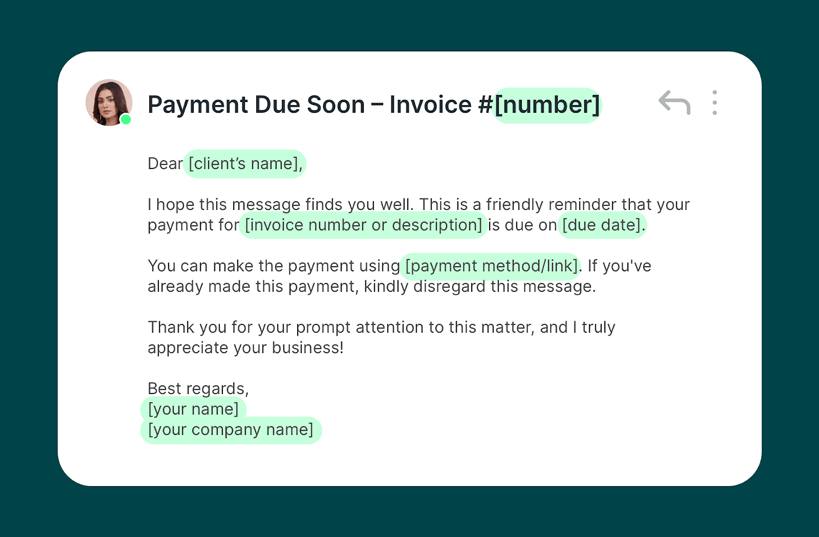
When to use: For first follow-ups when an invoice is only slightly overdue.
Why it works: A gentle, professional nudge reminds the customer without creating tension. At this stage, assume the delay is unintentional.
Firm Reminder: 30 Days Overdue
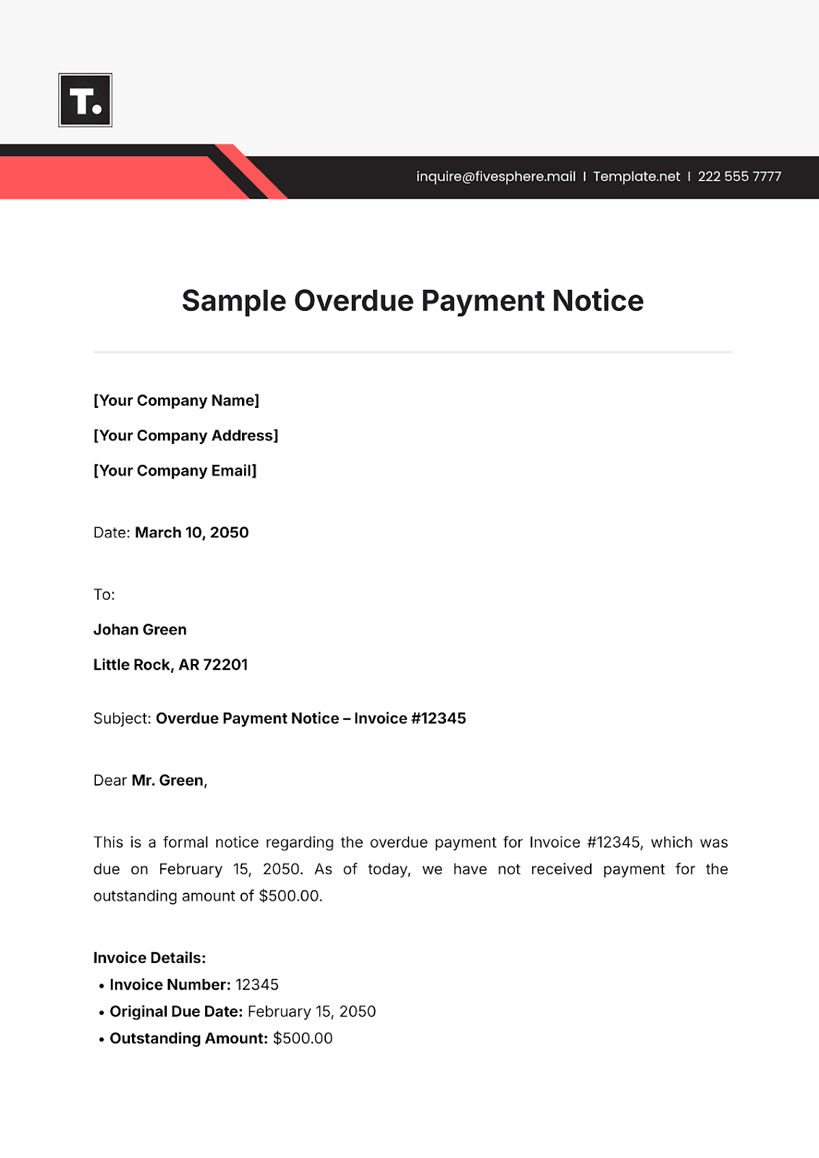
When to use: For invoices that are now significantly overdue and need more direct language.
Why it works: This template balances urgency with professionalism, reinforcing the importance of payment while still keeping the conversation constructive.
Final Notice: 60+ Days Overdue
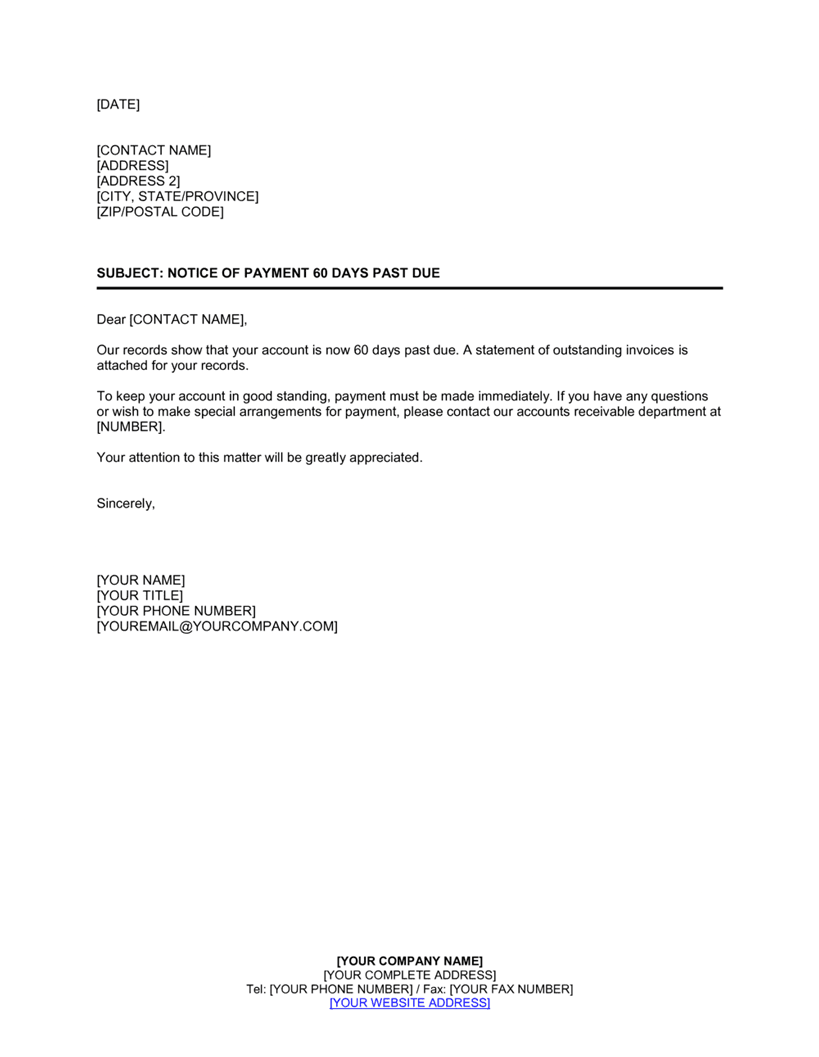
When to use: For long-overdue invoices where consequences, such as late fees or suspension of services, need to be stated clearly.
Why it works: At this point, the letter communicates seriousness and outlines next steps, helping prompt payment before escalation.
Long-Term Client Letter
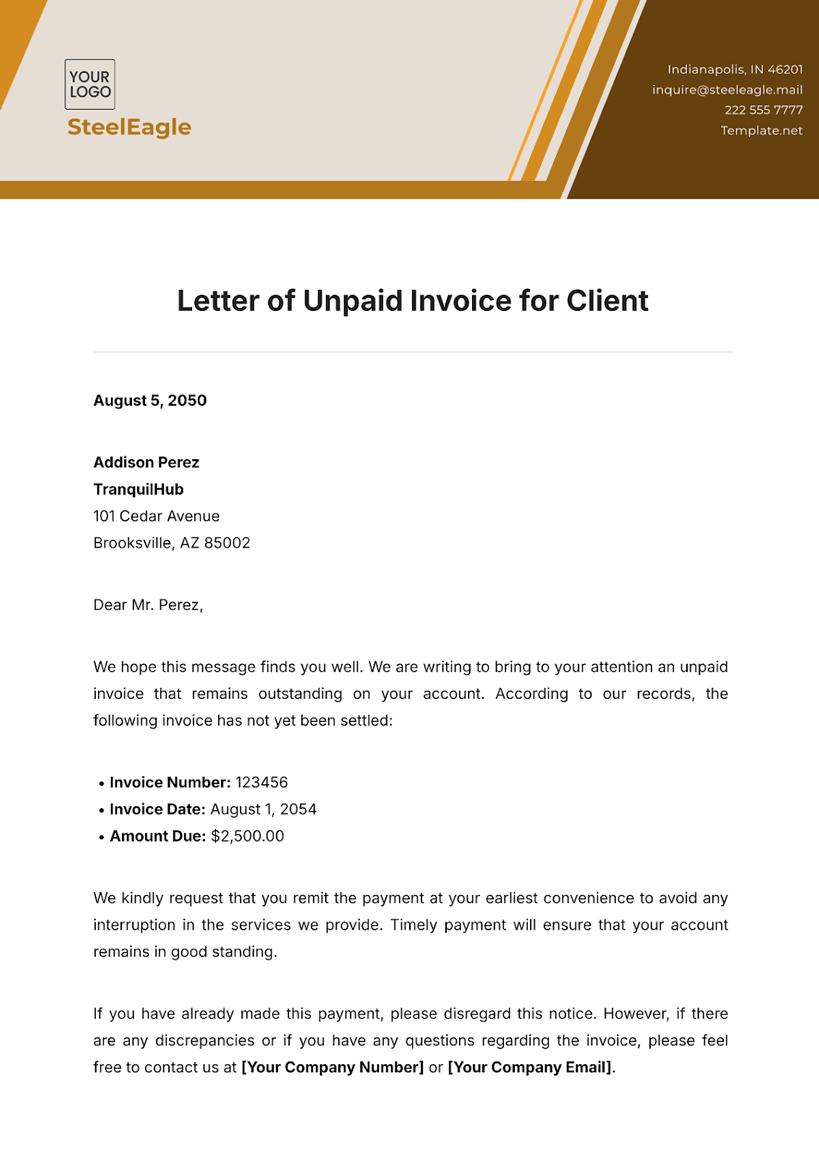
When to use: For valued, repeat customers where preserving the relationship is a priority.
Why it works: By acknowledging the customer’s history, keeping the tone collaborative, and inviting discussion rather than immediate escalation, this approach encourages payment while maintaining trust and protecting a long-term relationship.
Using these templates strategically ensures your overdue invoice communications are timely, appropriate, and effective. With tools like Simpro, you can automate email sequences at set intervals so each customer receives the right message at the right time, while maintaining a professional tone throughout. This approach increases the likelihood of prompt payment but also helps preserve positive customer relationships.
Personalize Messages When Necessary
While templates are efficient, not all customers should receive the same message. Long-term or high-value clients may deserve a more tailored past due invoice letter that acknowledges the relationship.
A personalized message can:
- Reduce defensiveness
- Reinforce trust
- Turn an awkward reminder into a supportive nudge
Even something as simple as referencing previous conversations or offering help if there’s an issue can dramatically improve response rates.
Use Multiple Channels
If a past due invoice letter goes unanswered, don’t rely on email alone. Escalating through different communication channels increases visibility and urgency.
Your follow-ups may include:
- Email reminders
- Phone calls
- Mailed letters for persistent non-payment
- Account manager outreach for key clients
Always log when reminders are sent, calls are made, or letters are posted. Tracking responses and actions in your CRM can avoid duplicate messages, keeps your team aligned, and provides a clear audit trail.
Automate with Simpro’s Overdue Letters
Many businesses rely on manual processes to manage reminders, which can be inconsistent and time-consuming, especially as your customer base grows.
Simpro’s overdue letters automation solves this by delivering the right message at the right time, every time, without adding extra work for your team. The system allows you to:
- Create templates for each overdue stage, so early, firm, and final notices are tailored and professional.
- Customize email details, including subject lines, sender information, and read receipts, to maintain a personal touch.
- Attach invoices, terms, and conditions automatically, ensuring customers have all the information they need to pay promptly.
- Test and monitor reminders via Reports > Aged Receivables, so you can optimize timing and messaging.
With Simpro, automation keeps reminders consistent, protects your cash flow, and frees your team from manual follow-ups, all while maintaining professional communication with your customers.
Automate Your Follow-Ups with Simpro
Past due invoice letters are most effective when they are sent on time, consistently, and with the right tone. The challenge is maintaining that standard as your workload grows. Manual follow-ups get missed, messaging becomes inconsistent, and overdue invoices start to pile up, putting unnecessary pressure on cash flow and your team.
Simpro removes that friction by automating your overdue invoice process from end to end. With built-in communication workflows, you can ensure every reminder is sent at the right moment, with the right message, without relying on spreadsheets, sticky notes, or memory.
Instead of reacting to overdue invoices, your business stays in control with a structured, reliable process that scales as you grow.
Ready to take the stress out of chasing payments and gain full visibility over your invoicing workflow?
Book a demo today and see how Simpro helps you stay on top of overdue invoices with confidence.


 Back to top