
Simpro is the field service scheduling app to shortlist first for contractors coordinating service, maintenance and project work. Compare it with Jobber, ServiceTitan, Housecall Pro, Workiz and FieldEdge against your actual dispatch needs. Choose by how each handles a changed assignment, the technician's next action and the completed-job handoff to the office.
Key takeaways
- Match the app to your work mix before comparing feature lists.
- Check the package behind each automation and mobile capability.
- Ask dispatchers and technicians to run the same disrupted-day demonstration.
- Agree on acceptance conditions before committing to implementation.
Compare field service scheduling apps
Start with the work your dispatcher must organize and the information your technician needs next. Build your shortlist from the comparison, then ask each vendor to demonstrate the same jobs and interruptions. Treat the entry subscription as a purchasing starting point, and confirm the users, configuration and additional products needed for your workflow.
| Product | Suitable business/workflow | Scheduling strength | Mobile scope | Automation scope | Starting price (as of October 2026) |
|---|---|---|---|---|---|
| Simpro | Contractors combining service, maintenance and project work | Drag-and-drop reassignment, with day, week, month and project views | Clocking, workday tracking and job details | In-app schedule-change notifications | Custom quote. Specify office and field users |
| Jobber | Small service businesses evaluating appointment dispatch | Drag-and-drop booking and crew availability | iOS and Android app | Customer notifications. Connect lists automated client reminders | Core: $21/month for 12 months, then $29/month, billed annually, for 1 user. USD. Offer ends October 30 |
| ServiceTitan | Trades teams evaluating a broader operating system | Schedule Board for appointments, recurring jobs and non-job events | iOS/Android phones and tablets | Customer reminder and dispatch notifications | Custom quote, with per-technician pricing |
| Housecall Pro | Residential service businesses scheduling visits | One-time and recurring jobs | Schedule and job-detail access without signal | Appointment reminders | Basic: $59/month, billed annually, for 1 user. USD, excluding sales tax |
| Workiz | Small service teams comparing scheduling and plan-based automation | Scheduling in Standard | Mobile application in Standard | Standard lists 5 automations and excludes Genius Scheduling | Custom quote. Confirm user allowance and automation scope |
| FieldEdge | Service businesses matching work orders to technicians | Skill, location and availability matching | Dispatch from a phone | Automated ETA texts, calls or emails | Custom quote. Confirm tier and user allowance |
The comparison uses a US purchasing baseline. Request a written proposal for your region, including taxes, contract term, setup, integrations and any additional user charges. For Jobber, compare the renewal rate as well as the introductory offer. Ask vendors to separate included functionality from paid additions in the proposal.
If you're operating outside the US, confirm local availability of messaging, payments and integrations before carrying a US proposal into your budget. Get the contract currency and support hours in writing. Repeat the same job examples across regional demonstrations, while replacing tax, billing and customer-communication requirements with your own.
For each proposal, separate recurring subscription charges from implementation, migration and training. List office users, field users and any subcontractor access you require. Ask what happens to the price when those numbers change, how renewal works and whether exporting your records carries a separate cost. Compare that complete scope across the shortlist.
Choose a scheduling app for your work
Choose appointment booking when the main task is offering an available time to a customer. Choose employee scheduling for shifts and coverage, and job scheduling for assigning people to work at customer sites. If you're also evaluating estimates, materials, job records and invoicing, include the wider field service management workflow in your buying decision.
Write down what must happen before a job enters the schedule. Include the customer's appointment window, required skills, equipment, access instructions, expected duration and travel allowance. Then identify which requirements prevent an assignment and which simply warn the dispatcher.
Include work that consumes capacity without becoming a customer appointment. Reserve time in the demonstration for travel, a parts collection, training or an unavailable vehicle. Require the dispatcher to show where that time appears before accepting a view of available hours as usable capacity.
Separate your work into practical examples:
- Service visits: Bring an urgent call and a routine appointment. Ask how the dispatcher sees open capacity and the effect of moving either job.
- Recurring maintenance: Bring a service agreement. Demonstrate how the system generates and tracks visits, and how your dispatcher assigns or postpones them.
- Project work: Bring linked tasks with shared people or equipment. Ask what happens to downstream tasks when an earlier activity runs late.
Don't accept a project calendar as the demonstration of dependency handling. Have the demonstrator change a predecessor task and show the consequence. For requirements beyond dispatch, consult the field service management software comparison to assess the larger purchase.
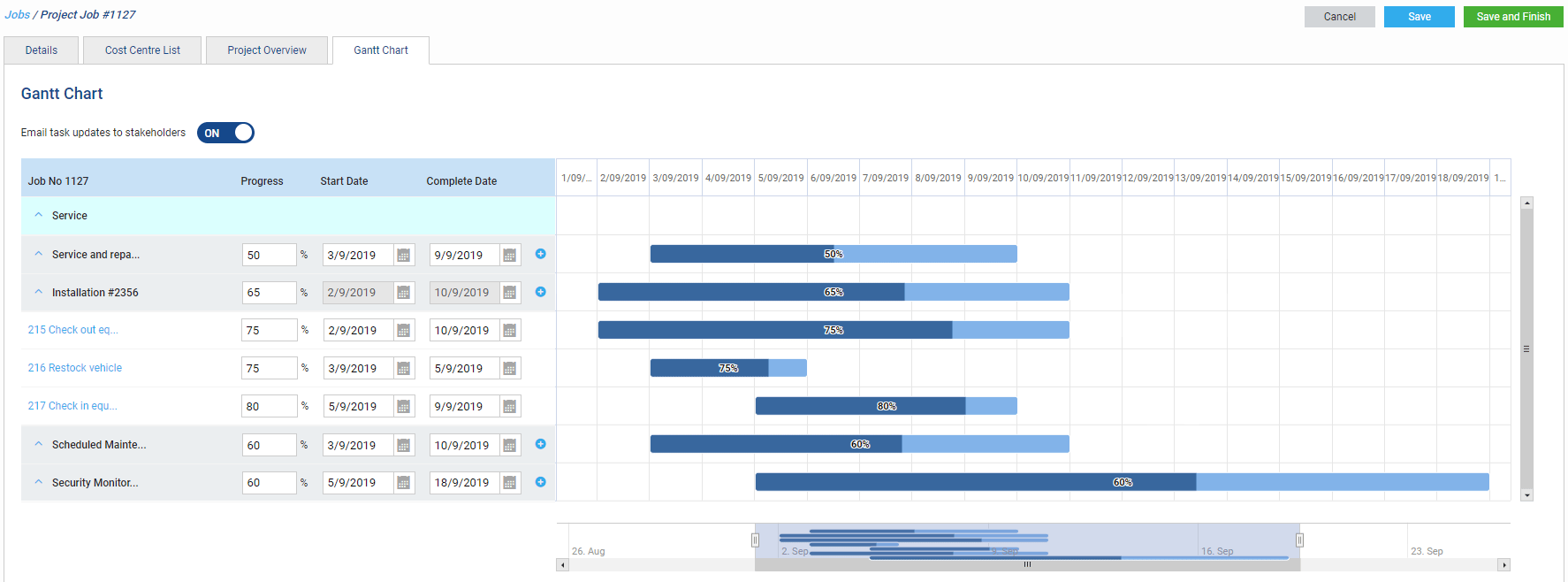
Historical Simpro interface illustration. Confirm current project scheduling and dependency behavior in a demonstration.
Field service scheduling apps to shortlist
Evaluate each product against the same assignment, mobile update and office handoff. Pick a useful demonstration question from the profiles below, then have the vendor run it in the proposed package. Keep your dispatcher and a technician in the conversation so they check each office action from the field side as well.
Simpro
Put Simpro first on your shortlist when you coordinate service calls, recurring maintenance and project work. Its field service scheduling software provides day, week, month and project views, with drag-and-drop changes to the assigned field staff member, time or date. Team scheduling supports assigning multiple staff and their equipment. Assign staff according to labor rate and job complexity.
Construction reviewer Joe H. found it "simple to assign work, track progress, and update jobs in real time."
The mobile app supports clocking on and off, workday tracking and recording job details. In your demonstration, distinguish a schedule-change notification arriving from the technician acknowledging it. Test the exact actions available with a weak connection and after reconnecting, and include any required messaging additions in the custom quote.
The UK customer Severnside Security reports £6,600 saved annually in job scheduling alone. Treat that as one customer's result, in its original currency. Build your own business case from the scheduling work you want to change, including time spent reassigning jobs and checking field updates.
Demo test
Move a service call while a project crew already has an assignment. Show the revised assignment on the technician's device, then follow the recorded work back to the office.
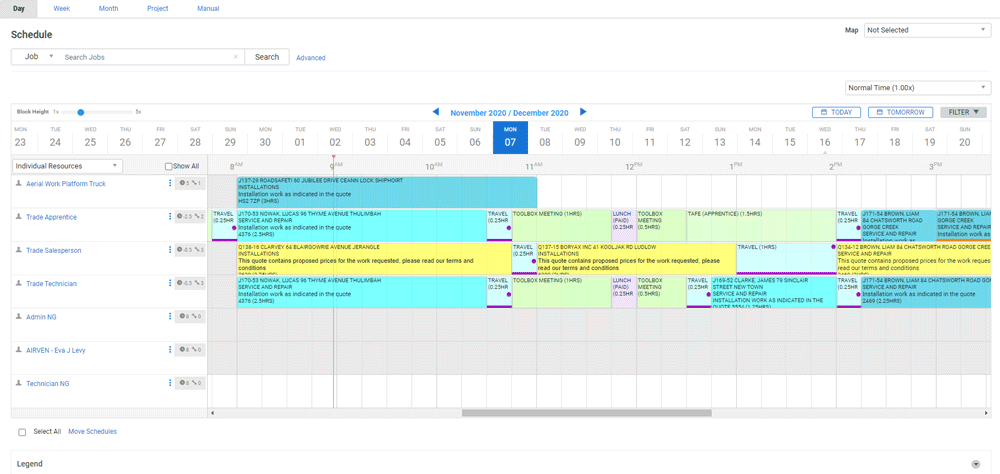
Historical Simpro day-view illustration.
Jobber
Consider Jobber when your immediate buying task is organizing a small service business's appointments. Its scheduling feature combines drag-and-drop booking, real-time crew availability and automatic customer notifications. The mobile app is available on iOS and Android. Invite a technician to participate using the device they carry on a job.
Compare the packages carefully: Core includes 1 user, while Connect lists automated client reminders. The Core price in the table is an introductory annual-billing offer followed by a higher renewal rate. Price the number of people who need access. Don't use the entry subscription as the budget for a whole crew.
Demo test
Reassign a booked visit, then show the customer notification and the replacement technician's schedule. Identify any steps that require a different plan.
ServiceTitan
Consider ServiceTitan when scheduling is part of a broader trades-software evaluation. Its Schedule Board displays booked appointments, recurring jobs and non-job events. Its Field Mobile App works on iOS and Android smartphones and tablets. Test the proposed device and workflow with your field team.
Separate the standard scheduling conversation from Scheduling Pro, which is listed as an add-on. Scheduling Pro bookings follow the team's job types, zones and capacity rules. Request a proposal that names the base package and additions, using the per-technician pricing model shown in the comparison.
Demo test
Change available capacity and attempt another booking. Show which rule accepts or rejects it, how the dispatcher intervenes, and what the technician sees next.
Housecall Pro
Consider Housecall Pro for residential service visits, particularly when your shortlist centers on appointment scheduling. It supports one-time and recurring jobs, along with automatic appointment reminders. Postpone a recurring visit in the demonstration and inspect both the changed appointment and the next scheduled occurrence.
Its mobile app provides access to scheduling and job details without Wi-Fi or signal. Keep the acceptance test specific: reading existing details is one task. Editing records, collecting information and synchronizing changes are separate tasks to demonstrate. Price against the Basic annual-billing offer and included user shown above, then request the package needed for your complete workflow.
Demo test
Open a job without signal, attempt the field actions you require, then reconnect while the office has also changed the job. Show which changes remain and who resolves a conflict.
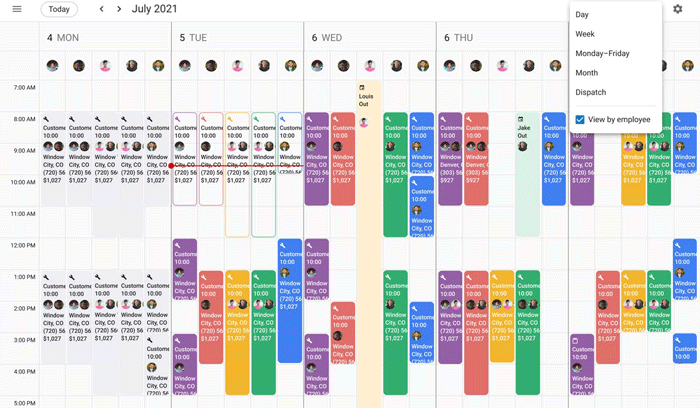
Historical Housecall Pro day-view illustration.
Workiz
Consider Workiz when you want to compare a small service team's scheduling needs with explicit plan inclusions. Standard lists scheduling, its mobile application and 5 automations, but does not include Genius Scheduling. Request pricing for the proposed configuration and ask what each automation allowance means in practice.
Don't infer a particular assignment or routing behavior from the automation count. Give the vendor a trigger, such as a changed appointment, and specify the action you want. Ask them to identify the required plan, configure the rule and show its result on the office and field sides.
Demo test
Move an appointment and run your proposed follow-up rule. Identify the exact feature doing the work, the configuration it needs and any package change required to reproduce it in your account.
FieldEdge
Consider FieldEdge when the central dispatch task is matching service work orders to technicians. It supports matching by skill, location and availability, with drag-and-drop work orders. Its scheduling page also describes dispatching from a phone and automated ETA notifications by text, call or email.
Confirm the tier behind the demonstration: Premier lists Advanced Dispatching and Advanced Service Agreements. Request an explanation of the difference from the package in your quote. Have a technician show receipt of a reassigned job and the completed-job handoff. Don't accept mobile dispatch alone as the test of the technician's workflow.
Demo test
Replace an unavailable technician, change the expected arrival and show the customer message. Then ask the replacement technician to complete the job and return the required records.
Test the app when the schedule changes
Use a disrupted working day as your demonstration script. Bring representative jobs, appointment windows and technician requirements, then ask the vendor to change them while your dispatcher and field lead watch. Record the evidence and agree on what counts as a pass before discussing workarounds, additional products or a change to your operating process.
| What to demonstrate | Evidence to request | Acceptance condition | Responsible role |
|---|---|---|---|
| Reassign an urgent job | Availability, skills, travel and customer-window checks, plus any override record | The dispatcher identifies conflicts before committing and explains each override | Dispatcher |
| Extend a job's duration | The later appointments, travel allowance and customer messages before and after the change | Affected appointments are visible. The dispatcher explains what moves automatically and what needs action | Dispatch lead |
| Send a changed assignment | The technician's device, notification history and acknowledgment or equivalent status | The office establishes that the technician has received and accepted the revised work using an agreed process | Field lead |
| Work with weak signal and offline | The required reads and edits, pending changes, reconnect behavior and conflict handling | Required information remains available. Submitted work reaches the correct record, with conflicts visible to an owner | Technician and system administrator |
| Schedule recurring and project work | A postponed service visit, its next occurrence and a delayed predecessor task | Recurrence and task dependencies behave as agreed, with exceptions visible | Service or project manager |
| Complete the job | Time, materials, job notes and customer details in the office record | Office staff find the agreed information and identify anything missing before the next handoff | Technician and office administrator |
Be precise about a successful result. Microsoft documents that bookings outside its Schedule Assistant's recommended slots do not enforce constraints such as capacity, work hours and time windows. Use that documented constraint boundary as a prompt to test overrides in each shortlisted product.
Likewise, Microsoft says that for reordered bookings, travel time updates without the booking's start time changing automatically. Ask each vendor to demonstrate both calculations separately. These examples describe Microsoft's behavior. Base your acceptance decision on the product you're evaluating.
Keep a decision log beside the worksheet. Record whether each requirement passed, needs configuration, requires an additional purchase or remains unresolved. Attach the demonstrated screen or written explanation and name an owner for any workaround. Have your dispatcher repeat failed tests after changes, using the same jobs and permissions, before deciding whether to keep the product on the shortlist.
Agree which requirements are essential before comparing proposals. When your technicians need to capture completion information without signal, keep an unresolved offline test as an open buying condition. If a manual confirmation step is acceptable, name its owner and include it in training. Don't average an unmet essential requirement into a general feature score.
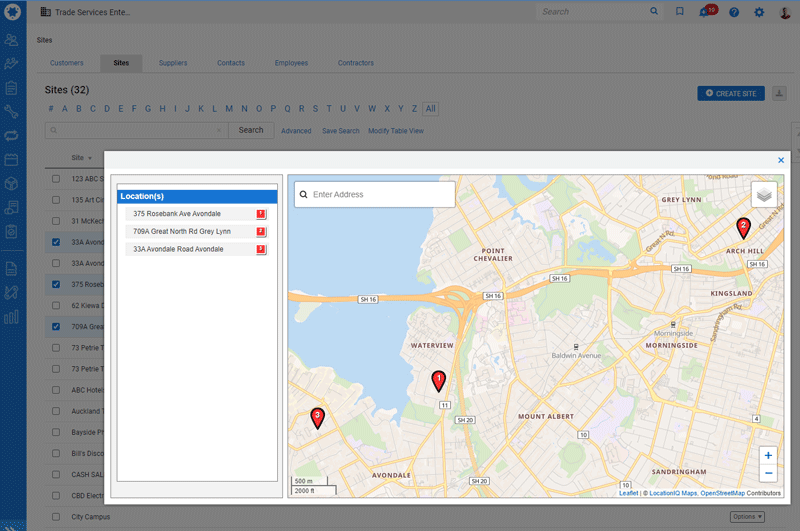
Historical site-map illustration showing job-site locations. Ask separately about travel calculations and any vehicle-tracking requirements.
Put automation and implementation to work
Define each automation as a trigger, an action and an exception that someone owns. Prepare the job types, skills, appointment windows, service intervals and permissions it needs before running a pilot. Include the dispatcher, a technician and the office administrator in acceptance checks, then price the configuration that passed those checks before signing.
Keep these purchasing questions separate:
- Recurring work: What creates the next job, and what happens when a customer postpones or cancels a visit?
- Notifications: Which event sends the message, who receives it and how do you inspect failures?
- Assignment suggestions: Which constraints influence the suggestion, and who approves or overrides it?
- Routing: Which locations, departure points and travel assumptions does the calculation use?
- Automatic rescheduling: What moves without approval, and what protects a promised appointment window?
Write your requirements as actions. Replace a broad request for automated scheduling with a specific instruction: suggest an available technician with the required skills. Show travel and appointment conflicts, then let the dispatcher approve the move. Request that exact sequence in the proposed package.
Prepare a sample of your records for the pilot. Check customer and site identities, addresses, job types, expected durations, staff availability and equipment requirements. Define who maintains each field. During the import demonstration, flag duplicate records and practice correcting a mapping before bringing in the remaining data.
Test permissions from the accounts each person will use. Assign a dispatcher to change an appointment, a technician to update the job and an administrator to review it. Try an action outside each role's permissions. Establish who has authority to override scheduling rules and where the office sees that an override occurred.
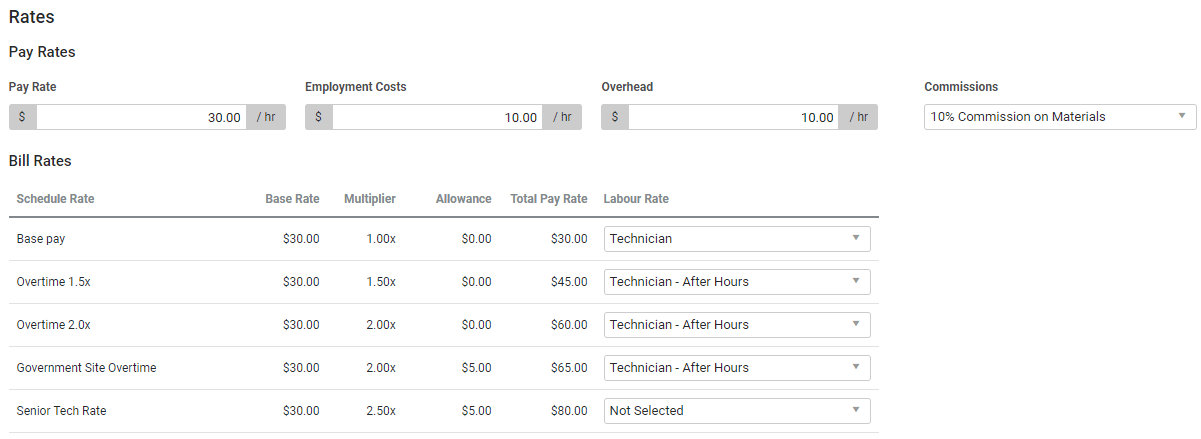
Historical labor-rate assignment illustration. Include your actual staffing rules in configuration discussions.
For integrations, identify the authoritative record for customers, sites, appointments and completed work. Map the direction data travels, the fields that synchronize and the owner of a failed transfer. Include edits and cancellations in the test. Review your office-to-field handoffs with the guide to disconnected field service workflows.
Check connectivity explicitly. Microsoft's offline documentation describes sync conflicts when device and server data differ. Have the office and technician edit the same demonstration job, reconnect the device and inspect the result. Determine which version wins, how users see a conflict and who recovers missing information.
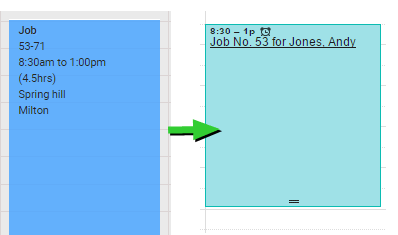
Finally, pilot the complete handoff. Start with a scheduled job and finish with the records the office needs for review and billing. If defining that record is part of the purchase, compare work order software for commercial contractors. Assign an owner to data preparation, permission setup, training and unresolved test results before widening the rollout.
Turn the pilot into a practical operating checklist: how to accept a reassignment, where to record an exception, what to do when synchronization stalls and whom to contact. Have your team complete a job using that checklist. Carry unresolved questions into the implementation agreement, with a named owner and a clear acceptance condition.
Field service scheduling app FAQ
How should a scheduling app handle multiple visits for the same job?
Keep each visit linked to the same job while scheduling its time, crew and tasks separately. For an installation followed by an inspection, check that technicians see previous notes and outstanding work. Move one visit during the demonstration and confirm that the other appointments and job history remain intact.
Should customers book directly into my schedule?
Offer direct booking for services with predictable durations and clear eligibility rules. Route work needing diagnosis, specialist skills or a crew through dispatcher review. Before enabling customer booking, test service-area restrictions, technician availability, travel allowances and what happens when a customer requests a different appointment time.
What scheduling information should subcontractors be able to access?
Limit subcontractor access to assigned appointments, site details and the job information needed to complete the work. Test permissions using a subcontractor account: open the assigned job, then try accessing another customer's records, pricing and financial reports. Confirm how the office removes access when the assignment ends.
Bring your work mix to a scheduling demonstration
Bring a service call, a recurring visit and a project task to your next demonstration, along with the people who schedule and complete them. Ask Simpro to run the changed-day worksheet against that work mix. Leave with an agreed configuration, a list of unresolved requirements and a proposal that names the capabilities you need.
Narrow your choices with the comparison above, then arrange a field service scheduling software demonstration around the jobs your team handles.
Historical scheduling screenshots
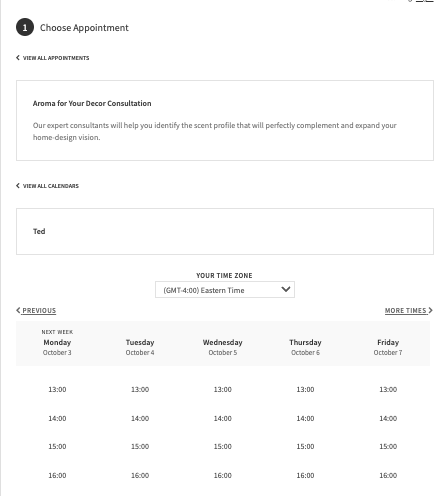
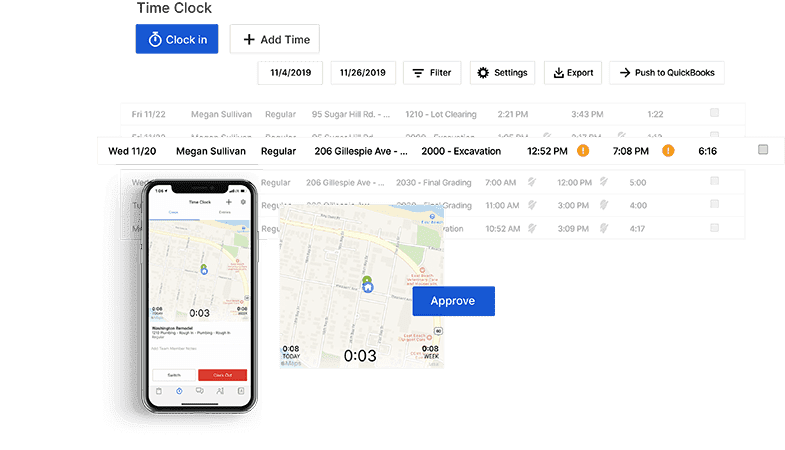
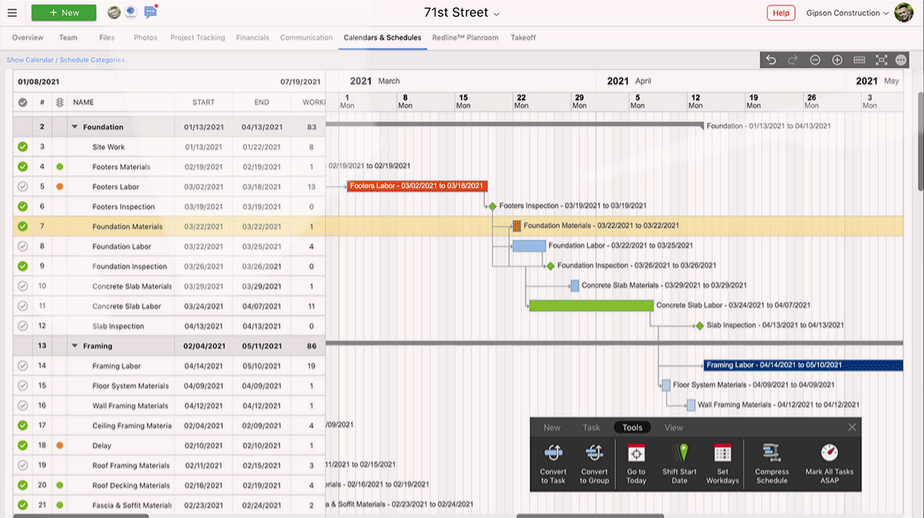
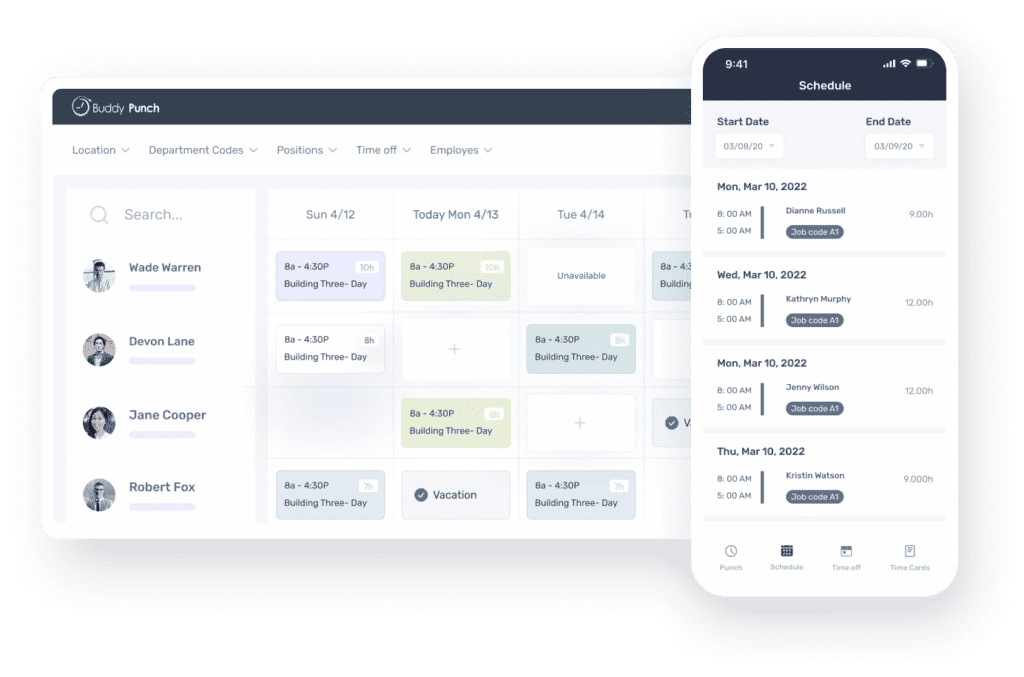
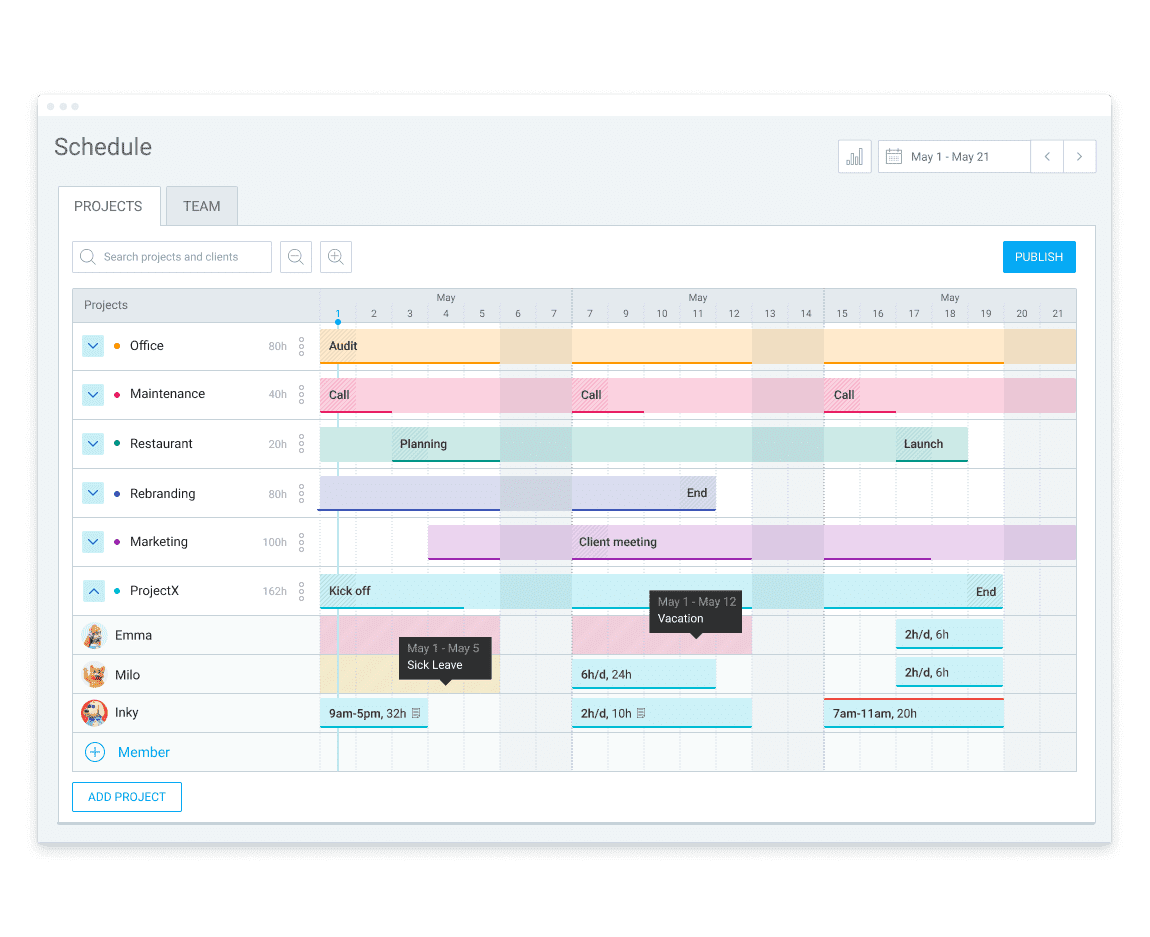
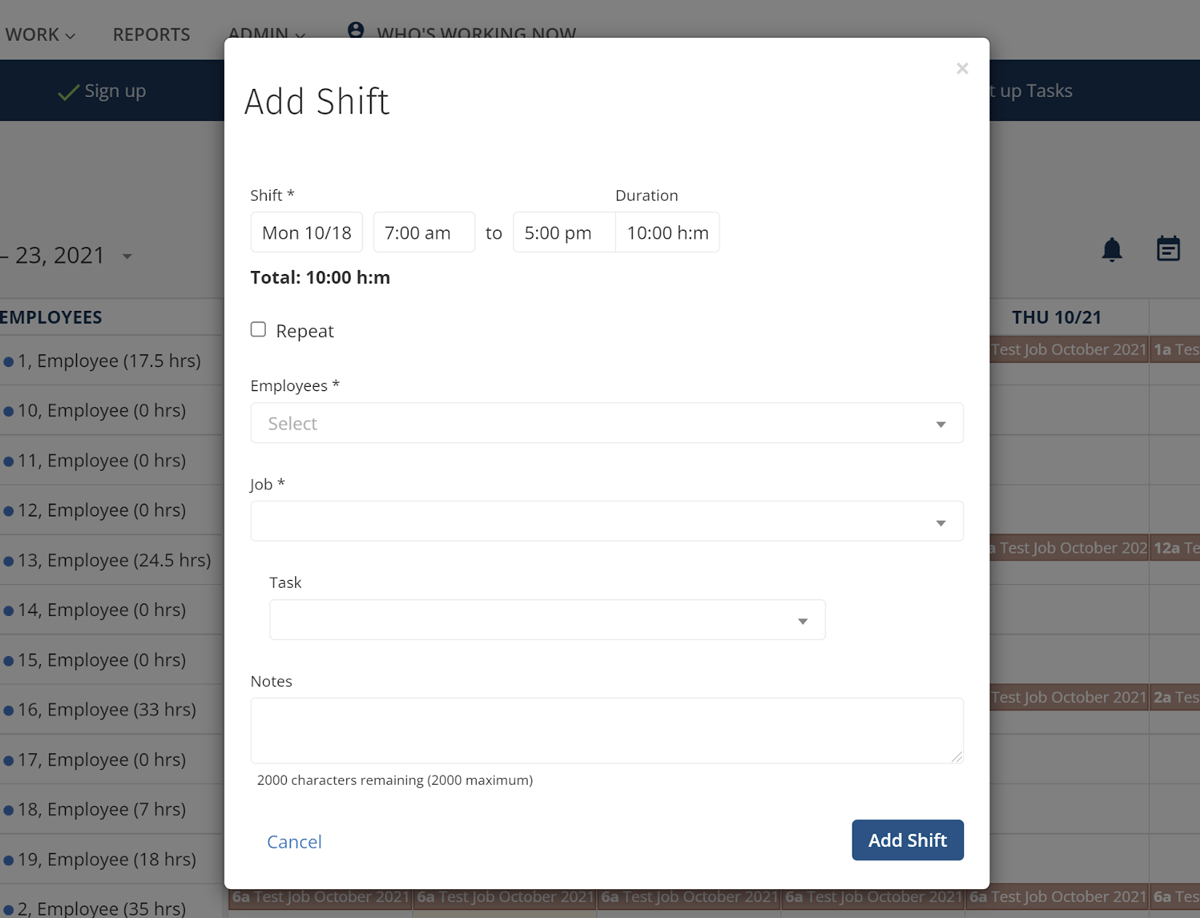
The following images are historical interface illustrations from the original guide. They are separate from the current shortlist and do not indicate a recommendation, current availability or present-day functionality. Use current vendor demonstrations when evaluating these products.
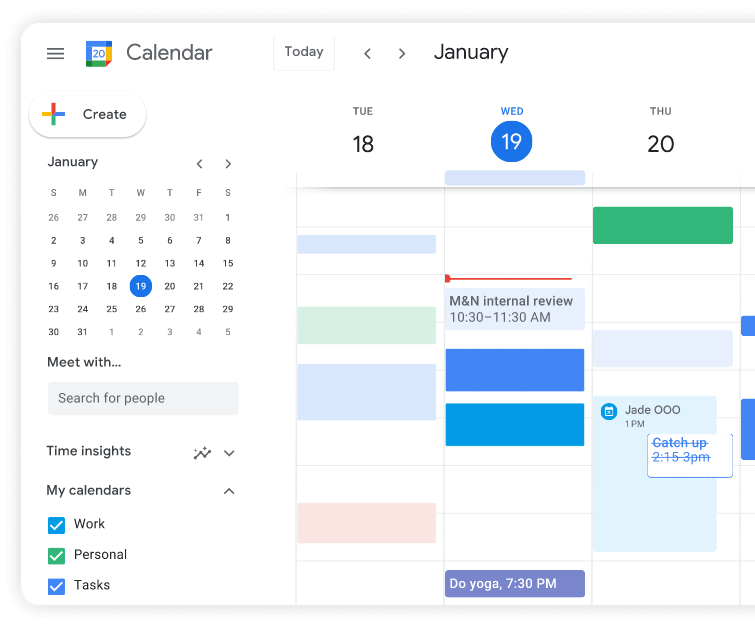
Google Calendar: historical calendar view
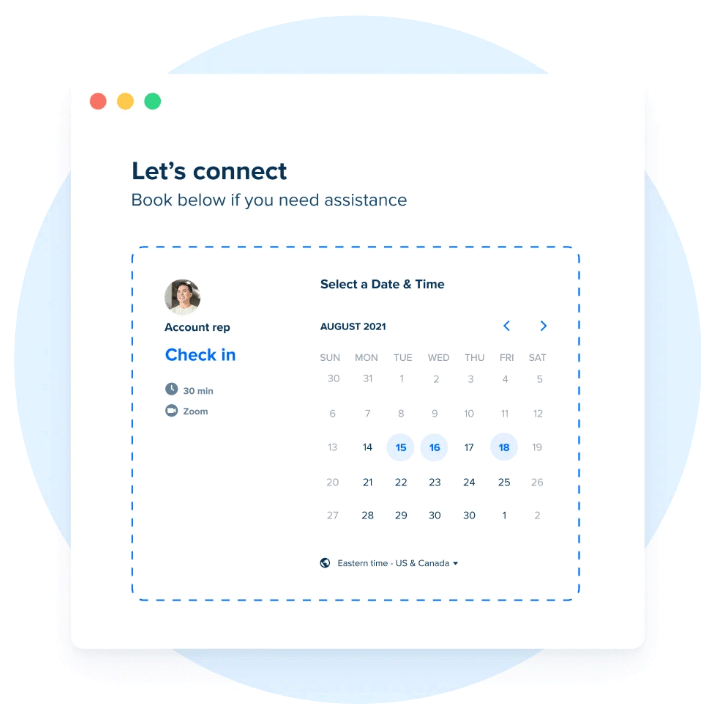
Calendly: historical booking view
Acuity Scheduling: historical interface
CoConstruct: historical timesheet and mobile view
ConstructionOnline: historical Gantt view
Buddy Punch: historical shift and phone views
Clockify: historical team schedule
ClockShark: historical add-shift view


 Back to top
